


Search page

11-weeks pregnant: baby development and diet tips
If you could look inside, you’d see thin little hairs developing on your baby’s eyebrows and above their lip. Read more about this week.

12-weeks pregnant: baby development and diet tips
You’re coming to the end of your first trimester. Congratulations! Read more about this week.

13-weeks pregnant: baby development and diet tips
The start of your second trimester is the start of lots of new developmental milestones for your baby. Read more about what to expect at 13 weeks of pregnancy.

14-weeks pregnant: baby development and diet tips
Your baby is about the size of a grapefruit! Have you felt them move or kick yet? If not, you should be able to in the next weeks! Read more about this exciting time.

15-weeks pregnant: baby development and diet tips
Though your baby is still inside you, this is the week where everything gets set up for their sense of smell. Read more about what to expect during week 15 of pregnancy.

16-weeks pregnant: baby development and diet tips
16-weeks pregnant? Find out all you need to know about nutrition, diet and baby development at 16 weeks in our week-by-week pregnancy calendar.

17-weeks pregnant: baby development and diet tips
Your little one now weighs more than 200g and is looking more and more like a “real” baby every day. Read more to learn what to expect during week 17 of pregnancy.

18-weeks pregnant: baby development and diet tips
Lots of leaps and bounds happening in week 18, from nerve cells multiplying to the beginnings of fingerprints. Read more to learn what baby looks like at 18 weeks of pregnancy.

19-weeks pregnant: baby development and diet tips
Your little lodger weighs between 300 and 400 grams – weigh a grapefruit in your hand and that’s about how heavy they are. Read more to learn how baby looks at 19 weeks of pregnancy.

20-weeks pregnant: baby development and diet tips
There’s so much going on in your belly this week that you may want to take a little nap after reading about it! Read more about this week.

21-weeks pregnant: baby development and diet tips
Though the baby now weighs around half a kilo, your little darling still has plenty of room in your belly. And likes to use it when not asleep!

22 Weeks Pregnant: Baby Development and Diet Tips
If you could look inside, you may see your baby sucking their thumb. It’s nature’s way of getting them ready to breastfeed from birth.

23-weeks pregnant: baby development and diet tips
Your baby’s feet are now 4.5 to 5cm in length now, and they weigh considerably over 700g. You have got around 16 more weeks to go! Read more to learn what to expect in 23 weeks of pregnancy.

24 Weeks Pregnant: Baby Development and Diet Tips
Can you feel the baby reacting to noises and your caresses yet? Towards the end of the second trimester is when some women report that this starts to happen, so be on the lookout.

25 Weeks Pregnant: Baby Development and Diet Tips
Two more weeks left of the second trimester. You are gearing up for the home stretch. Read more to learn what to expect during week 25 of pregnancy

Recipes for babies & toddlers | Nestlé FamilyNes
Explore nutritious, baby-friendly recipes designed to support healthy development from first bites to toddler meals.
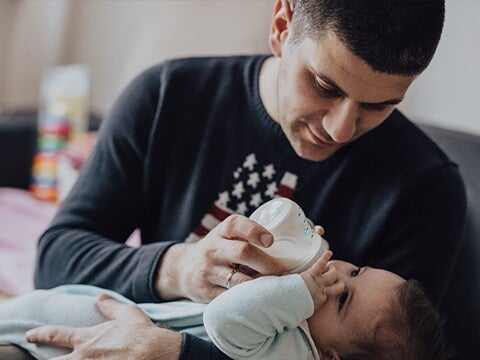
Infant Nutrition

-


Nestlé Baby & Me is now Nestlé FamilyNes
Join Nestlé FamilyNes, a brand-new platform designed to meet your family’s evolving needs. Get ready to experience our enhanced services, tools, support and much more for your whole family.

Big Nutrition for Tiny Tummies
Same Cerelac taste you know and love. Taste of home.
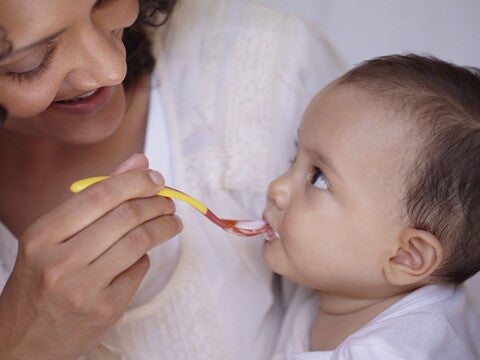
Baby Food Allergies

Eating well before you conceive can help your future baby have the best possible start in life. Here’s how to get some of the essential vitamins and minerals you need for a healthy pregnancy.

How to increase breast milk supply?
Breastfeeding exclusively for the first six months, and sustained for up to two years or longer with appropriate complementary feeding is important for the nutrition, immunologic protection, growth

How to prepare and store baby formula
Formula. It’s full of nutrition—but how you prep and store it can serve up some questions, too.

Questions to ask at your first prenatal appointment
Your first prenatal appointment is here! With so much going on, it helps to have a list of pregnancy questions on hand to ask your healthcare provider.

Because babies are born with immature digestive systems, they may experience episodes of colic, constipation, or spit-up during their first months.

What should my 12-24 Month Old Toddler be Eating?
As you probably already know, toddlers are incredibly active and energetic! For their body size, toddlers need to make every bite count with nutritious meals and snacks.